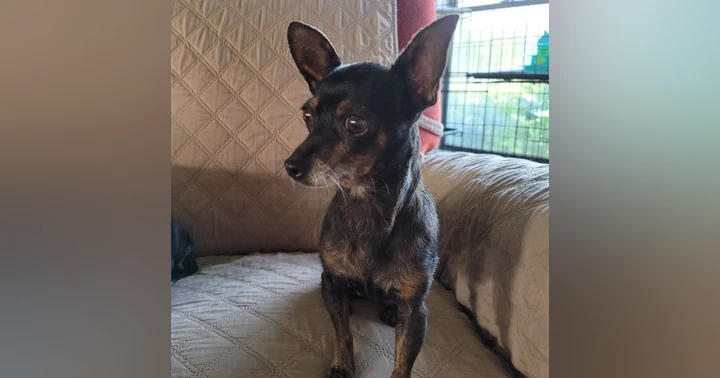
7 Subtle Signs Your Pet’s Needs May Be Changing
One of the tricky things about living with pets every day is that change can be really easy to miss.
Sometimes it’s obvious. Sometimes it’s your dog hesitating before jumping into the car, your cat choosing a lower sleeping spot, or a pet who used to follow you everywhere suddenly spending more time alone.
Those little shifts don’t always mean something is wrong, but they are worth noticing.
Here are a few things I’d pay attention to:
-
They’re avoiding something they used to do easily.
Stairs, jumping, getting into the car, hopping onto furniture, or even walking on certain surfaces. -
Their favorite spots have changed.
Maybe your cat used to sleep on top of the cat tree and now stays on the bottom, or your dog suddenly prefers the floor to the couch. -
They’re less interested in play or activity.
That could be age, preference, boredom, discomfort, or something else. The important part is whether it’s a change for your pet. -
They’re acting differently around people or other pets.
More clingy, more distant, more irritable, more avoidant. Behavior gives us information. -
They’re moving differently.
Slower getting up, hesitating before jumping, changing how they use stairs, or seeming stiff after resting. -
They’re eating differently.
Not just whether they eat, but how they eat. Slower, messier, walking away and coming right back (weird, right?), or suddenly preferring softer food can all be worth noticing. -
Something just feels “off.”
You know your pet better than anyone. If you keep thinking, “That’s weird,” don’t automatically talk yourself out of it.
The goal isn’t to become paranoid and start analyzing every nap, stretch, or skipped game of fetch. It’s to know what’s normal for your pet so you’re more likely to notice when that normal starts to change.
And when you do notice something, ask yourself three questions: Is this new? Is it happening consistently? And is it interfering with something my pet normally wants or needs to do?
Sometimes it’s just a preference. Sometimes it’s part of aging. And sometimes it’s something worth talking about with your veterinarian and then maybe a veterinary behaviorist if medical issues are ruled out.
Pay attention first. Then decide what, if anything, needs to happen next.
For more help on this subject, check out these episodes:
Is Your Pet Acting Differently? 3 Questions to Ask | Pet Parent Power Up
Fair Isn't Equal: What Your Pet Really Needs

Host
Amy Castro is the host of The Pet Parent Hotline, a podcast providing practical pet advice for busy pet parents.
A professional speaker and communication expert, Amy is also the founder of Starlight Outreach and Rescue and has spent years working directly with pet owners, veterinary professionals, trainers, behavior experts, and animal rescue organizations. She has personally fostered more than 4,000 animals and has seen firsthand the challenges that can make life with pets feel overwhelming.
Those experiences inspired The Pet Parent Hotline, where Amy tackles the real questions pet parents face, from behavior and health concerns to veterinary decisions, pet care costs, aging pets, and navigating life changes with animals.
Her goal is simple: cut through the noise and give pet parents practical information they can actually use to make better decisions for the animals they love.
No fluff. No guilt. Just help.
Feline Grimace Scale: How to Score Your Cat's Pain at Home