Is That Puppy REALLY a Rescue? How to Spot Puppy Laundering and Fake Rescues
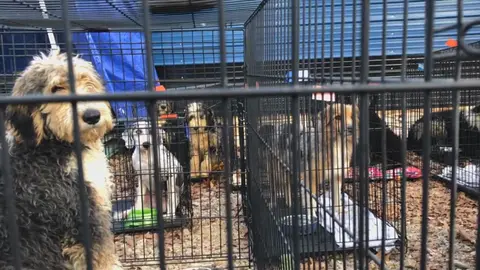
You see an adorable puppy online. Maybe it's a French bulldog, a doodle, or some other popular breed. The description says the puppy was "rescued" and needs a loving foreverhome. There's an adoption fee, of course, but you're happy to pay it. After all, you're saving a life, right?
Well, maybe. Or maybe you're buying a commercially bred puppy from someone who's figured out that calling a sale an "adoption" makes people feel a whole lot better about opening their wallets.
Welcome to the shady, shameful world of puppy laundering, where puppy mills and unethical sellers hide behind the language of animal rescue.
And before you think, "I'd never fall for that," understand that some of these operations are pretty convincing. They're counting on your good intentions, your love of animals, and your desire to do the right thing.
What Is Puppy Laundering, Anyway?
Puppy laundering happens when commercially bred puppies are funneled through organizations or individuals that present them as rescue animals. Instead of being sold by a breeder or pet store, the puppies are offered for "adoption," sometimes through an organization claiming to be a rescue. The puppies may even come with heartwarming backstories designed to make you feel like you're giving them a second chance.
Here's the problem. When a rescue functions as a sales outlet for commercial breeders, those adoption fees may help keep the breeding business going and that's quite a different outcome from the one you thought you were paying for.
I want to be clear about something though, and please hear me: Not every rescue that takes in dogs from commercial breeding facilities is doing something wrong. Some legitimate organizations take in retired breeding dogs, unwanted puppies, and animals surrendered when breeding operations shut down. The real questions are how they got the dogs, where the money goes, and whether the organization is being honest about what it's doing.
Just Because Someone Calls It an Adoption Doesn't Make It One
Here's something that drives me crazy. People have figured out that words like "rescue," "rehoming," and "adoption fee" sound a lot nicer than "I'm selling puppies."
But changing the vocabulary doesn't change the transaction.
Here's the thing. Calling a payment an "adoption fee" or a "rehoming fee" doesn't automatically make it a rescue. Someone selling puppies can use those exact same words, even when the dogs were bred specifically to be sold. And that's what you need to pay attention to. Are you actually adopting a dog that needs a new home, or are you buying a puppy from someone who's using rescue language to make a sale?
Now, there's nothing inherently wrong with someone responsibly breeding and selling dogs. And there's nothing wrong with a person needing to rehome a pet and charging a reasonable fee.
The problem is when sellers deliberately misrepresent what they're doing.
If you're buying a puppy, you deserve to know you're buying a puppy. If you're adopting from a rescue, you deserve to know where that puppy came from and what kind of organization you're supporting.
It's really not too much to ask.
Five Red Flags That Should Make You Ask More Questions
1. There's Always Another Litter of Adorable Puppies
Does this "rescue" seem to have a never-ending supply of eight-week-old doodles, French bulldogs, Yorkies, or other popular breeds?
Interesting, isn't it?
Legitimate rescues absolutely get purebred puppies and entire litters. But if an organization consistently offers the same high-demand breeds, particularly very young puppies, I'd want to know where they're coming from.
Are these owner surrenders? Shelter transfers? Dogs released by breeders? Or is someone regularly purchasing puppies and turning around to "adopt" them out?
A steady supply isn't proof of wrongdoing, but it's certainly a reason to start asking questions.
2. Nobody Can Give You a Straight Answer About the Puppy's History
Ask a simple question: "Where did this puppy come from?" If the answer is vague, keeps changing, or comes with an elaborate emotional story but very few actual details, pay attention.
A legitimate rescue might not know everything about a dog's past, especially if the dog came from a shelter or was found as a stray. That's understandable. But they should be honest about what they know, what they don't know, and how the dog came into their program. And if the organization acquired the puppy from a breeder or at a commercial dog auction, you have every right to ask whether money changed hands.
3. You're Being Rushed to Pay Before You Can Think
"This puppy won't last!"
"We have six other families interested!"
"Send your deposit now, or you'll lose your chance!"
Sound familiar?
Yes, desirable puppies sometimes have multiple interested adopters. That doesn't automatically make something suspicious. But there's a difference between explaining that other applications are being considered and pressuring you to pay before you've had a chance to ask questions, review records, or understand the process.
A reputable rescue should want you to make a thoughtful decision. After all, you're committing to caring for this dog for potentially the next 10 to 15 years.
If someone seems more interested in getting your payment than finding out whether you're a good match for the puppy, that's a problem.
4. The Adoption Fee Raises Questions, but Nobody Wants to Answer Them
Let's get one thing straight: A high adoption fee doesn't automatically mean a rescue is fake.
I run a rescue myself, and I can tell you that veterinary care, food, medications, spay/neuter surgeries, and all the other expenses add up fast. Some dogs cost far more to care for than their adoption fees will ever cover. And rescues often use fees from healthier, younger animals to help pay for the ones with expensive medical needs.
But you should be able to ask what the adoption fee includes and get a reasonable answer. Has the puppy been vaccinated? Microchipped? Examined by a veterinarian? What's the spay/neuter policy? What care has actually been provided?
If you're paying hundreds or even thousands of dollars and nobody can explain what you're getting or how the organization operates, don't ignore that little voice telling you something isn't right.
5. Once They Have Your Money, You're On Your Own
Responsible rescues care about what happens to their animals after adoption. They have adoption agreements, return policies, and a process for helping when a placement doesn't work out.
Most ethical breeders also typically expect buyers to contact them if they can no longer keep a dog, and many require the dog to be returned to them at any point in its life, rather than being rehomed or surrendered to a shelter.
So ask what happens if you bring the puppy home and things don't work out. If there's no contract, no clear return policy, and no indication that the organization cares what happens after you've paid, I'd think twice.
But They're a Nonprofit! Doesn't That Mean They're Legitimate?
Not necessarily. This is one of the biggest misconceptions about rescue organizations.
Getting 501(c)(3) nonprofit status from the IRS doesn't mean an organization has been thoroughly investigated and declared wonderful at animal rescue.
Nonprofit status is a tax designation, not a seal of approval for animal welfare practices.
You can verify whether the IRS recognizes an organization as tax-exempt. That's a reasonable starting point, but don't stop there.
Look at its history. How long has it been operating? Who runs it? Where do its animals come from? Does it have a consistent online presence, adoption policies, and a track record you can investigate? And remember, not every legitimate person rehoming a dog is part of a nonprofit. Nor does every legitimate rescue arrangement require an organization to have 501(c)(3) status.
The label matters a lot less than the honesty and practices behind it.
Questions I'd Ask Before Adopting Any Puppy
You don't need to conduct a full-blown criminal investigation. But a few questions can tell you quite a bit.
-
Where exactly did this puppy come from? Was it surrendered by an owner, transferred from a shelter, born in foster care, or obtained from a breeder?
-
Did your organization purchase this puppy or pay a breeder to release it? If so, I'd want to understand why and how that fits into the rescue's mission.
-
What veterinary care has the puppy received? Ask for available medical records, vaccination information, and any known health concerns.
-
What do you know about the puppy's behavior and temperament? Be suspicious of anyone guaranteeing a puppy will be perfect with every child, dog, cat, and person on the planet.
-
What happens if the adoption doesn't work out? Ask to see the adoption agreement and return policy before you commit.
And I'd add one more: Can I have some time to think about it?
If that question sends the seller into a panic or triggers another round of pressure tactics, you've just learned something useful.
Don't Let Your Heart Override Your Common Sense
I understand the urge to bring home a puppy who supposedly needs rescuing. I've dedicated a huge part of my life to animal rescue, and I know how powerful that emotional pull can be.
But here's what I want you to remember. You can love that puppy, feel terrible about its circumstances, and still walk away from a questionable transaction.
That doesn't mean you don't care about the puppy. It means you're thinking about the bigger picture, including whether your money could help fund more puppies produced in the same circumstances.
If you want to adopt, find an organization that can explain where its animals come from and how it operates. If you want to buy from a breeder, find an ethical preservation breeder who's honest about their dogs, their breeding practices, and their responsibilities.
And if someone tries to sell you a puppy while insisting it's a rescue, don't be afraid to ask a few uncomfortable questions.
Because putting the word "rescue" on a puppy listing doesn't make it one.
Want to hear more? In this week's Pet Parent Power Up episode of The Pet Parent Hotline, I'm talking about how rescue language gets misused, what puppy laundering looks like, and how to avoid being fooled.
🎧 Listen to the episode: Is It Really a Rescue?
And please share it with someone who's thinking about getting a puppy. A little skepticism now could save them a lot of trouble later.

Host
Amy Castro is the host of The Pet Parent Hotline, a podcast providing practical pet advice for busy pet parents.
A professional speaker and communication expert, Amy is also the founder of Starlight Outreach and Rescue and has spent years working directly with pet owners, veterinary professionals, trainers, behavior experts, and animal rescue organizations. She has personally fostered more than 4,000 animals and has seen firsthand the challenges that can make life with pets feel overwhelming.
Those experiences inspired The Pet Parent Hotline, where Amy tackles the real questions pet parents face, from behavior and health concerns to veterinary decisions, pet care costs, aging pets, and navigating life changes with animals.
Her goal is simple: cut through the noise and give pet parents practical information they can actually use to make better decisions for the animals they love.
No fluff. No guilt. Just help.

Cat-Only Grooming Salon Better for Your Cat?