Thinking About Adopting a Dog? Read This First
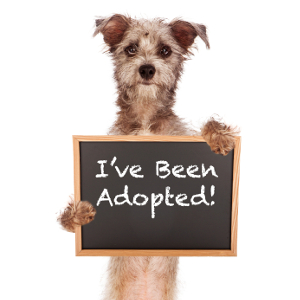
Adopting a dog changes lives! Yours, your family, and, importantly the dog’s! With countless dogs looking for a safe and caring home, adopting a dog is a wonderful decision. However, there are pitfalls, and you must prepare, choose the right dog, and take time to help the dog settle into his new life
1. What to be aware of and questions to ask.
Adopting a dog is rewarding, it can change your life and should be a win-win situation for dogs and owners. Unfortunately, not all adoptions are successful. You can improve the chances of a successful adoption by asking yourself a few questions and answering them truthfully.
· A dog is a lifelong commitment.
Are you prepared to commit to having a dog for up to 14 years? You don’t trade in a dog if you don’t like him or drop her at the shelter when she gets old. (We know there are people who do this, but we’d rather not talk about them...). A dog will change your life – he is a living, breathing thing and will need time, commitment, and money for years to come.
· Why do you want a dog?
Think seriously about the reason WHY you want a dog. Do you like the idea of taking her for a walk on Sunday afternoon? Your friends have a dog, so you also want one? Or do you want a watchdog? These aren't good reasons.
· Is your lifestyle and home suitable for a dog?
Some lifestyles are unsuitable for owning a dog. A single person who works long hours, takes regular business trips, and has no energy or time to give a dog? You can get a dog walker, drop the dog off at Doggy daycare, hire a pet sitter, etc. But if you never have time for the dog – why get one?
What about your living space? Where will the dog be allowed? Depending on her size (think Great Dane) is there sufficient space for her to be comfortable? And what about a safe outside space, particularly if it’s an energetic dog? Some dogs can live in an apartment but will still need daily walks and company.
· Then there are finances, time, and the emotional commitment.
Dogs cost money. You only need to walk through your nearest pet shop or vet clinic to see all the stuff available – and the prices. Even if you only buy what she needs, you must be prepared to spend money.
Then there’s health care – which you’ll have to ask about when you adopt a dog. Unfortunately, some dogs will need ongoing medical care. You'll have to make provision for regular and unforeseen vet expenses – which can be a major issue for dog owners.
How much quality time can you spend with a dog? Will you have time to play with the dog, train him, and socialize him? Not just in the first few weeks, but in the years to come. Some dogs are more independent than others, but all dogs want to spend time with their owners.
· The breed, age, male or female?
You'll find dogs of all sizes, breeds, and ages at shelters and rescues. Puppies, adults, and older dogs (don’t avoid the senior dogs – they can be a wonderful companion for the right person). If you’re looking for a specific breed – you may be surprised to find how many pure-bred dogs there are in shelters or rescues for specific breeds. Many dogs in shelters will be of rather unsure parentage, but they can be your best four-legged friend!
Male or female? This is a personal choice or may be influenced by the dogs you already have. When I had a lady Rottweiler, I adopted a medium-sized male of very uncertain parentage. The two bonded immediately and were lifelong companions.
· Adopting from a shelter? Research, visit, and ask questions.
If you want to adopt from a shelter or rescue organization, it pays to do research, ask around, or have a telephone conversation. Before deciding on the dog, a visit to the shelter is a must - look for an ethical organization that prioritizes animal welfare.
During your visit, ask to be shown around to see the dogs’ living conditions. And do ask questions! The more information they can give you on background, health, behavior issues, level of training, and socialization, the better. A good shelter will also test a dog to see if she’s suitable for living with other dogs, cats, or a home with children. It's a good idea to spend time with the dog to see if you will suit each other before you decide. The shelter should also ask questions and make a home visit to see if it’s suitable for the dog.
Once you've decided on a dog to adopt and completed the formalities, you need to prepare for his arrival. You can’t wait to bring him home and start this new adventure.
1. Preparing for his arrival.
The first thing is to make sure you have the stuff a dog needs. These are basics you need to get. They include a bed (we’ll get back to this), water and food bowls, toys, a leash and collar, and grooming supplies – particularly if it’s a high-maintenance dog like a poodle.
Sufficient supplies of dog food. The food youm feed the dog will depend on his age, breed, and any health issues he may have. It's best not to immediately change the food she ate at the shelter or rescue. Rather, change her food gradually.
Stock up on any medicines the dog may need – and make an appointment at the vet you intend to use, particularly if it’s a dog with health issues.
Your house will be a new and unfamiliar place for the dog – new people, smells, routine – so make it as easy on him as possible. Some dogs make themselves at home almost immediately – but others can take a long time to settle into the new environment.
She'll need a place of her own – it can be her bed, a blanket, cardboard box – but it needs to be out of heavy traffic, quiet, and comfortable. She may choose her favorite place herself – but she must know there’s a place that’s hers. Use a crate if he’s used to one, but don’t force a dog to use one. Also, put her bowls in a convenient place that she’ll associate with mealtimes.
Is your home safe for a dog – particularly a young or an old dog? Don't blame him if accidents happen to valuable stuff you didn’t put away. Check for potential dangers like small items he could swallow, trash, or food that may be harmful. A senior dog shouldn’t have to cope with slippery floors that are bad for his joints. Put a dog/baby gate in if there are places you don’t want her to access – like dangerous stairs or a formal room.

Guest Contributor Salomi Odenaal is a freelance copywriter writing about dog health, safety, and well-being. Also active on Substack. She writes regular newsletters and blogs for businesses in the Pet Industry, with special focus on Pet Technology. You can visit her profile on LinkedIn – Salomi Odendaal, Your Pet Copywriter.