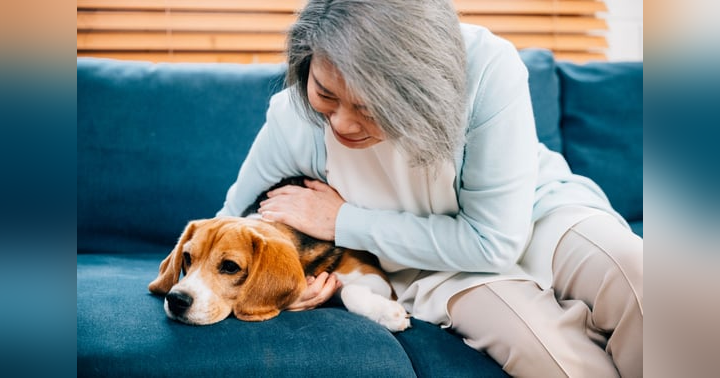
Seniors And Pets: Don’t Wait For A Crisis, Make A Plan


Are you caring for aging parents with pets, or aging with a pet yourself, and hoping it’ll all “work out” when something changes? Because the biggest risk usually isn’t age, it’s waiting for a fall, a hospitalization, or memory issues to force a last-minute pet care scramble.
In this episode, Amy Castro is joined by Kathi Miracle of Silver Tsunami Aging Info to talk about seniors and pets, and the pet care plan families avoid, the red flags that a pet’s care is slipping, and why “my family will take the pet” isn’t a plan unless it’s written down and realistic, especially when assisted living or memory care enters the picture.
BY THE TIME YOU FINISH LISTENING, YOU’LL DISCOVER:
- What to decide now, at any age, so your pet doesn’t become a last-minute “figure it out” problem later
- The subtle red flags that a pet is starting to lose care quality, even when the person says everything’s fine
- Why “we’ll bring the pet to assisted living” often falls apart fast, and what families need to face before it does
- If you’re a senior with a pet, how to protect your independence while still protecting your pet’s safety
- Why asking for support early is not giving up, it’s the move that keeps you and your pet together longer
CONNECT WITH KATHI MIRACLE
WEBSITE | mysilversunami.com - contact Kathi with your questions about seniors and pets
OTHER RESOURCES MENTIONED IN THIS EPISODE:
Pet Parent Hotline Episode on Pet Trusts: "What Happens to Your Pet if You Don't Make It Home?"
Expert Pet Advice for busy pet parents!
Love the show? Leave a 5-star review so more pet parents can find us, and share this episode with someone who needs it.
Follow:🌍Official Site |📱Facebook |📺YouTube | 🍏 Apple |🎵Spotify
Pet care gets crazy when you're facing behavior issues, rising costs, and confusing pet advice. You need real pet parenting solutions, pet behavior help, and pet budgeting tips you can use every day.
Each week you'll hear pet parenting advice plus expert guidance on dog and cat behavior, dog training, nutrition, stress-free vet visits, and routines that make life easier. We'll help you manage puppy biting, cat aggression, separation anxiety and cat anxiety, emergency vet decisions, and show you how to stay ahead of issues that create stress for pets and their pet parents.
No fluff, no guilt, just practical pet care advice and pet cost hacks to save money, avoid pet parent guilt, and enjoy life with pets.
Follow to stop chasing your tail and start enjoying your pets again.
Contact: Amy@petparenthotline.com
©Ⓟ 2025 Amy Castro
00:00 - Seniors And Pets, Don’t Wait For A Crisis
02:11 - Why Planning Needs To Start Early
04:37 - The Costs And The 2 A.M. Emergency Problem
07:01 - Why Seniors Don’t Say They’re Struggling
09:58 - Early Support Options That Prevent Crisis
12:36 - Safety Risks, Scratches, Falls, Young Pets
17:14 - Small Help Now Vs Big Bills Later
20:21 - Assisted Living, Why “Bring The Pet” Gets Complicated
23:23 - Why Puppies And Kittens Often Aren’t The Move
28:25 - Better Alternatives, Visits, Volunteering, Short-Term Fostering
31:37 - The “Donated Dog” Story And Estate Planning Reality
33:33 - Backup Plans, Promises, And What Happens When It Doesn’t Work
38:42 - Final Takeaway, Have The Conversation Early
43:00 - Closing and Resources
Episode Title: Seniors And Pets: Don’t Wait For A Crisis To Make A Plan
Host: Amy Castro
Guest: Kathi Miracle
Summary: A conversation about aging with pets, planning ahead, recognizing red flags, and why “my family will take the pet” is not a plan without a realistic backup.
Links (Show + Guest):
Pet Parent Hotline Episode on Pet Trusts: "What Happens to Your Pet if You Don't Make It Home?"
Kathi Miracle, Silver Tsunami Aging Info: mysilversunami.com
Transcript Note: This transcript has been lightly edited for readability. Content, meaning, and conversational flow have been preserved.
Transcript
Amy Castro (00:00)
If you're a senior who loves your pet, or you love a senior who loves their pet, this matters more than you think. The biggest risk isn't usually age. It's waiting for a fall, a hospitalization, or memory issues to force a crisis decision when it comes to pets. Today we're talking about the conversations that families need to have sooner than later, the red flags that people miss, and why “my family will take my pet” is not a plan.
Amy Castro (00:29)
You've reached the Pet Parent Hotline, your lifeline to practical solutions for your toughest pet parenting challenges. I'm your host Amy Castro, and I'm here to help you cut through the noise and turn expert advice into step-by-step strategies so you can stop chasing your tail and start enjoying life with pets again.
Amy Castro (00:54)
Hey there, I'm Amy Castro, and today we're talking about seniors, aging, and pets. And I want to set the tone right away because it won't be long until I'm a senior, and I have a lot of senior friends who are listening. So this is not an episode about taking pets away from older adults. Plenty of seniors have pets safely and happily for everybody involved. What we're talking about here though is planning, support, and safety.
I can't tell you the number of calls I get every single week from family members who are looking to place a pet that belonged to a senior because they were unable to take the pet with them where they were going, or the family member was unable or unwilling to take the pet. So when you avoid having these conversations with your family members, pets end up at risk, family members end up in desperate last minute situations, and the senior can end up being devastated about what happened to their pet, all because someone assumed it would work itself out or because we just didn't want to have those tough conversations.
My guest today is Kathi Miracle, founder of Silver Tsunami Aging Info. She has more than 30 years in senior care, including leading assisted living communities, running home care operations, and supporting families navigating dementia and major transitions. So Kathi, welcome to the show.
Kathi Miracle (02:11)
Thank you so much for having me. I'm really excited to do this podcast with you.
Amy Castro (02:16)
Well, I am very appreciative of you making the time because I know probably being on a pet podcast wasn't on your radar. But it's something that has been weighing on my mind because as somebody that runs a rescue, I'm the one that takes the phone calls. Literally weekly, I'll get a couple of calls, whether it's from a senior themselves, from a family member, and passing away is a whole other thing, a lot of them are a family member is moving, and they can't take their pet or they're just no longer able to take their pet.
So I really wanted to talk to somebody who's an expert in aging, housing for aging people, dealing with senior issues, to talk about what we can do to avoid some of this last minute. Because it literally becomes a scramble. Like, my mom's moving into blah blah blah in two weeks and she's got three cats and nobody wants them. And it's kind of hard for me to help you there.
I know one of the things that you mentioned to me in our prior conversation was the importance of having a conversation about this and doing it early. And I was kind of surprised at how early you felt because even I, who am pretty picky, thought, well, that means I need to be having these conversations. So why is it so important to start talking about this early on with family?
Kathi Miracle (03:31)
Well, it's important, and if you have a good estate planning attorney, they have now written into a lot of their plans to do planning with things like pets because those are things that families just simply don't think about. A lot of times, I think that families think that a pet will pass away, or a pet will go before their own loved one does, and that's not necessarily true.
There are animals that live a long time depending on the breed of a cat or a dog, even birds. Birds live a long time. And so it's really important. Estate planning attorneys will tell you, start getting your estate together in your 40s, 50s. And I also agree that you should have a plan for your pet because people just simply don't think about, as a pet ages, the needs.
It’s cute to have a puppy or a kitten or a young bird, and they’re playful and energetic. However, as pets age, there are a lot of things that they may need, like shots or more frequent vet appointments. So planning early is super important for not just the person who's aging, but for the pet who's aging as well.
Amy Castro (04:37)
Right. That's a good point because there's the whole financial aspect, that’s a big piece of that, especially when people go into retirement and they're not bringing in that income, maybe they're on more of a fixed income, but yet their living expenses and the pet’s expenses are only going up. I mean, they're just going up anyway.
And then you're absolutely right, as pets age, the needs change. I just know for me, once a pet crosses over seven years old, now you're into the senior blood work and it's $600, whereas you probably didn't do blood work the year before. So financial is definitely a big piece of it.
But what would be some of the things that families would want to talk about? Like if I'm talking to my daughter about this stuff, what kind of conversations should we be having?
Kathi Miracle (05:23)
What happens when a pet has a seizure at two o'clock in the morning? How are you going to get that pet to an emergency vet? Where is the closest one? How is that going to be paid for? Because a lot of people don't have pet insurance. And even if they do, what does it cover?
So as we start talking about planning for aging, how are those costs going to be taken care of? If you have a pet that needs to go for a walk every day, how is that going to happen, especially if you live in an area that gets a snowstorm?
There's a lot of things that people simply don't think about. They think about the pet being young. They think about the person being young. They think about costs being manageable. But they don't stop and think about the emergencies. They don't stop and think about weather. They don't stop and think about how this pet is going to be taken care of at two o'clock in the morning because that's when a seizure is going to happen or that's when a pet’s going to get sick. And then they’re like, you know, we didn't think about that.
Even my own estate planning attorney, when we were doing ours, he kept saying, think of the apocalypse. Think of the worst case scenario ever. And then he asked questions about it. And so that's what I usually tell families myself. What is the worst case scenario that could happen? Because maybe it won't ever happen, but what if it does? And what is the plan? What is the backup plan? What is the backup plan to the backup plan?
So many times as we age, we think our kids are going to step up and be there. But kids have their own busy schedules. They have their own responsibilities. They're raising their own children. Their jobs are busy. They may travel. What if they're out of town? So I really try to encourage individuals to say, what's the worst case scenario? Because if you can plan for that, you can usually plan for just about anything else.
Amy Castro (07:01)
Yeah, you can navigate the other stuff. And I think what people think about, and this is where people get upset when we have these conversations as a rescue person, is, you know, I'm perfectly able to navigate around my house. I can feed a pet. I can scoop the litter box. But even I didn't think about those kinds of things.
If I'm a senior and maybe I don't drive well at night, how am I going to deal with that 2 a.m. emergency? Because my regular vet's not going to be there. Do I know where the emergency vet place is?
I even had somebody say they told their mom to call an Uber. Well, do you know how to call an Uber? Do you have the Uber app? I mean, it can go on and on.
So I like that idea of, let's all think about worst case scenario. And then if we have that plan, everything else should be a lot easier to navigate.
Whether I've had that conversation or not is one piece of it. What are some of the signs that I might be looking for in a parent or a loved one, or maybe even if I notice them in myself? Do people notice their own declining abilities as much as other people from the outside see?
Kathi Miracle (08:04)
If somebody is cognitively declining or physically declining, they usually do have some level of awareness of what is happening, although they don't talk about it. They start compensating for it. They start putting things in place to navigate their world because nobody wants their independence taken away from them. And there's this level of fear.
If I start telling my family I don't think as clearly or I can't get around as easily, are they going to take the car keys away from me? Are they going to put me in a home?
Amy Castro (08:34)
Yeah. And I think about myself because I'm the first one to admit I'm probably going to be a nightmare. I'm very hard headed. And I think a key point in there for anybody who's listening who is older and is like, amen sister, I agree with you, I totally get it, when you do start noticing those things, to start talking about what options might be. Because I think what happens is you compensate, you compensate, you compensate until something catastrophic happens.
I think about a colleague that I know, we're not that far off in age, but I am significantly physically stronger than her. She has concerns about walking even kind of a medium sized dog. So it's like, okay, do you want to compensate for walking your dog by taking less walks? Or do you want to admit maybe you need a different tool or you need some assistance or maybe the dog needs some training, and get that taken care of before you get pulled down or the dog gets away and gets hit by a car?
That’s a tough line for people to cross, but you don't have to tell people all your business and tell them why you want that help. It’s like, hey, I don't have time, I'm busy. I mean, any dog might need the energy of a younger person to run or jog with them or something. I think there are ways to get around that impending doom, like I'm going to be tipping off my family that there's a problem.
Kathi Miracle (09:58)
There are different ways. When I worked in senior living, there were dog walking companies that were wonderful that we could refer to because the animal still needs to be exercised. And as the animal ages, it can become problematic with weight gain and other things, and then you get into other health issues with animals.
So there are pet sitting companies, there are dog walking companies. There are some really great resources in today's world than there used to be 10, 15, 20 years ago.
Amy Castro (10:32)
Yeah, there's tons of them. I kind of operate in that pet industry world. So let's say that mom, dad, whoever, has not identified that to us as a family member. What might be some things that we notice where, even if we've had the conversation and there is sort of a plan in place, we just need to start asking some questions about how's it going?
Kathi Miracle (10:53)
Some of the things, the pet will start gaining weight because they're not being walked. They're being overfed because instead of feeding an animal maybe twice a day, they're just filling their dish with food that's sitting there. So food that's dried, bowls that are overfilled, because it becomes easier. We start learning to compensate in our world.
Unfortunately when food sits there, you end up getting other challenges like rodent issues or ants. You'll see ants gathering around the dog dish or the cat dish. Those are some warning signs that maybe the pet isn't being taken care of as well as it should be.
Amy Castro (11:33)
Okay, that's a good one. And I would say another one would be cat litter boxes too. If suddenly you're smelling urine or you're smelling a bad smell and the litter box is full of mess, or your parent starts complaining about the cat suddenly inappropriately urinating around the house and maybe it's because the box isn't as clean.
I mean, it's hard taking that heavy bag of mess outside. It can be very easy to shortcut that process a little bit and it can cause problems for sure.
Kathi Miracle (12:03)
Even with dogs too, I've had families who say that they're not letting the dog out like they should. So you have messes from dogs in there. Or even a bird cage hasn't been cleaned, or a hamster cage, even fish. I'll even talk about fish because it takes a lot of energy and there are a lot of steps to clean out a fish tank.
So as somebody may be declining cognitively, they no longer understand all the steps needed to keep animals in a healthy environment. Those things start to decline and they're warning signs, they're red flags.
Amy Castro (12:36)
Yeah. What about for the person themselves? Because one of the things that I'm always a little bit concerned about is when you get an older person who wants to adopt a kitten. We just had some kittens here and I've still got scratches on my hands. They climb your legs, they'll jump on your back when you bend over. Now what do you do? You're like, I got this thing skewered into my back.
Let alone having a puppy and just the tripping hazard. What are some signs there that the person is in danger possibly?
Kathi Miracle (13:10)
Exactly the things that you've mentioned. As we age, our skin gets thinner. So there's a higher chance of a skin tear. And if it tears, it's like wet paper, and then blood is everywhere.
So now you have a higher chance of an infection, which can become really problematic. If it's not treated appropriately, the individual can actually go septic. Then you come into a whole host of other problems.
So as family members, if you're visiting your older adult, whether that's a grandparent, a parent, even a sibling, you want to look for those signs. Did they get scratched? Because when somebody gets scratched and it becomes infected, it’s really inflamed, it’s red, you can start seeing the red spread. You want to be careful because infections can spread very rapidly over something as simple as a scratch or a bite.
That's the other thing, with kittens and dogs, they're teething and they want to chew on things. They're teething just like a child. That becomes really problematic. If somebody isn't tending to that, so many people will say it's not that big of a deal or I don't need to go to urgent care, I don't need to see a doctor, but you end up getting into a whole host of other challenges because of the infection spreading.
Amy Castro (14:29)
Right, definitely. So how does a family member know when, I would assume for some of these things, there is just the offer of support, like, hey, let's investigate dog walkers, or hey, let's talk to the vet about cutting Fluffy's nails or capping them, versus there's no managing this?
Kathi Miracle (14:54)
If people really want to have a pet, pets fill the void of loneliness, they're companionship. So I understand the reason why people want pets, especially as they age. So other things need to be put in place.
Pet sitting companies are meant for people going away for the weekend, but for an older adult, introduce pet sitting companies or dog walking individuals earlier on so the pet is being taken care of, but also so they can report back to a family. When I go in to get Fluffy, here's what I'm seeing. This is a red flag, this is something you may want to start thinking about. It’s another set of eyes.
Sometimes the older individual is more accepting of an outside person's voice to say, here's some concerns I'm seeing, especially somebody who specializes in taking care of pets versus their own children saying, mom or dad, this is what I think. For some reason, we tend to get more defensive with our own children versus an outside voice or outside expert saying, here's my concern for the pet, here’s my concern for you.
Sometimes that outside voice tends to be the voice of reason that everybody listens to versus there being tension between parent and child.
Amy Castro (16:19)
Yeah. And I think as somebody that teaches communication for a living, an outside person, like if I was a pet sitter, I would have that conversation very differently than I would as a daughter. As a daughter, it's probably going to be judgier, more defense inducing.
So I love that idea. And of course finances are going to be a factor, but even with the pet sitting or the dog walker, if it's something the person can't afford daily, maybe even twice a week or even once a week just to come in and get that pet out for a longer walk, or give the litter box a deep clean instead of just the daily scoop, can make a huge difference. And whether it's a professional or a neighbor or family member, if we can do that.
Kathi Miracle (17:14)
I sometimes will say to people, choose your hard. It's easy to say marriage is hard, divorce is hard, choose your hard. Being overweight is hard, losing weight is hard, choose your hard. I say it in a softer way within families, but choose your hard here. Do you want to pay a minimal cost for a dog walker a couple of times a week, or do you want to pay an emergency bill for a pet or for a family member?
Sometimes people think, I can avoid this cost. Well, what's the ripple effect of avoiding that cost? You could incur this cost. If you want to put your family member and the pet in the best scenario possible, sometimes that does mean spending a little bit of money, but spending a little bit of money today may save you from spending a lot of money down the road.
Amy Castro (18:00)
Right. I think this could also be the idea of having this conversation when you're going with a loved one to a doctor's visit, and the doctor being the one to say, I really think your best option is to have somebody coming in. If they're resistant, getting that third party to be on board with that decision making and help find that compromise.
Because I think the ultimate goal would be to keep the person and the pet in the home together as long as safely possible for everybody involved, for all the benefits like you said that people get from having pets.
Kathi Miracle (18:36)
I've encouraged families, if you're going to go see the doctor, and I've done it with my own family members, what I encourage is send the doctor through a portal, if you have access to your parent’s portal, send the doctor, here are some concerns we've seen or had. They get that from an email standpoint and it's less challenging because a lot of times older adults don't want their children in the doctor’s appointment, they want it private.
Or if you are sitting in there, it's awkward because you're having this conversation with a doctor when you've never had it with your parent. Being able to send the doctor ahead of time an email or bullet points saying, here are some things I think need to be discussed, that we've tried or were nervous about approaching, then the doctor can say, talk to me a little bit about this. It becomes an easier conversation.
Amy Castro (19:29)
Yeah. And I think some of that too, like choosing your hard, it’s how much do you have that conversation with your parent in advance to say, look, this is the conversation I want to have when I get there at the doctor's office versus coming at them another way. A lot of that's going to have to do with the person's condition and how dire the situation is because we don't want to feel like we're sneak attacking them, but if it's got to be taken care of, it's got to be taken care of.
What about when that person has to move or makes the decision to move to assisted living or independent living and bringing a pet along in those situations? I know you've worked that from the inside of facilities before.
Kathi Miracle (20:21)
I spent over 30 years in senior living and I focused on assisted living, primarily memory care. It really depends on the company and their policies and procedures and the state somebody lives in and their state regulations.
Independent living is more accepting of people having pets and moving them in because they're still very independent and can walk them, or the company may have a dog walker on site or refer them to somebody.
It becomes more complicated as you get into assisted living. The reason someone is in assisted living is because they need assistance with activities of daily living, more often than not dressing and bathing. When somebody is moving into assisted living, it’s like, well, what's going to happen to the pet? Because most companies don't have the staff to take care of a pet along with taking care of the individuals. They are not staffed to say, sure, I'll take your dog for a walk.
You can't afford to have a staff member off the floor taking care of somebody's pet. If you're in a building with 60, 70, 80 beds, you can't have staff walking dogs. They wouldn't be there to take care of the individual.
When we get into memory care, it becomes problematic because people in memory care don't remember to take care of their pet. I let a dog stay in my office for an entire week and the person never even knew that it was gone. Not to mention animals are fast, and if they're not on a leash and they're quick, they become a fall risk.
While the company may say, sure, move them in, sure, do this, it really is not a good plan. Especially if someone's going to pass away, I can't tell you how many conversations I've had with families who want to donate the pet as a house pet. And I'm like, no, no, you need to take him with you.
The assisted living, the memory care, the senior living, they are not a rescue. I'm happy to have animals come and visit, but it becomes very problematic. If somebody is allergic to cats and their roommate has a cat, now we have a problem. Or if the cat gets out and runs into the person’s apartment across the hall, now we have a problem. I've had residents who were afraid of animals, afraid of dogs.
So while for one family you're trying to accommodate this and say, yes, you can keep your pet, for another family you're creating panic. It’s a difficult juggle and balance for operational folks in senior living to balance what everybody needs and what everybody wants.
Most companies will say, sure, bring the pet in daily if you want to have them visit, but I encourage families not to move the pet in. What families also don't seem to think about is if this dog trips another resident and that resident breaks something, hip, whatever it is, you are now liable for that because your family member didn't control the pet like they should.
Amy Castro (23:23)
Yeah. That's a whole other ball of wax right there. Golly.
That kind of brings me to the thought of, because I'm always thinking, if there was just a better way, and I think to a certain degree there is a way to time some of this stuff. I may die 10 years before my 82 year old good buddy who I went to lunch with yesterday, even though she's old enough to be my mom. At the same time, the odds are she will go before I do, or that our parents will go before we will.
One of the things I run into in rescue a lot is seniors, significantly senior seniors, wanting to adopt a young animal, a puppy, a kitten. Beyond all the physical possibilities of challenges, there is the outliving. I know we talked about trusts and things like that, but what are your thoughts about, we’ve had 72 and 78 year olds wanting to adopt kittens, and we try to discourage that unless that person has a concrete plan.
Kathi Miracle (24:34)
I am in alignment with that because the pet is going to outlive the individual.
Amy Castro (24:40)
Probably. The odds are in that favor, yes.
Kathi Miracle (24:44)
The odds are in that favor. I have seen parents outlive their kids, it’s rare, but it does happen. The reality is most people will pass away before their pet does or before their children do.
When you're 75, 80 years old and you want to adopt a puppy or a kitten, they have a lot of energy and most people at that age don't. So again, how well is that pet going to be taken care of?
What I ask families is, what's the why? If you ask five or six whys, you'll get to the root of the decision behind this. Many times it's loneliness. The person is lonely. Okay, if the person's lonely, let's not fix it by adopting a kitten or a puppy or a young bird. Let's fix it in different ways. There are a lot of resources out there.
A home care agency can come in, and I can assure you paying for a home care agency a couple of times a week is going to be a lot cheaper than all the vet bills and all the food and everything else that has to happen with young animals.
There’s a senior center, there are adult daycares out there. If what we're trying to do is fix the loneliness aspect, then let's fix it a different way than adopting a pet.
Amy Castro (26:00)
Yeah. And I would say too, if the root reason is I’ve always been a pet person, I can't imagine a scenario where I didn't have something, what I can imagine is if I was 78 and my last pet passed away, I probably would not be looking for a puppy or a kitten. I would probably be looking for something older or quieter.
Part of the issue is two things. Number one, they don't want to bury a pet again because they've been through that, and I totally get it. Or the other thing I hear a lot in rescue when people want to adopt kittens or puppies is, I kind of want to raise it my way. And it's like, yeah, but I bet you don't remember what it's like to have a puppy or a kitten because I don't.
Amy Castro, who runs a rescue, every time I bring in something little, I'm like, holy crap, what have I done? And it was only a couple of months ago that I had the same thing. It's like childbirth, you forget how miserable it is.
If a pet is an option and it makes sense based on your abilities and your living situation and everything else, then work with your local rescues. Shoot, you can call me, I'll help find a pet wherever you live. Find something that's going to be a good fit, a good match for you, your energy, your lifestyle.
Go at it from that perspective versus kittens are cute, puppies are cute, I want to raise it in my image. Because like I said earlier on, I'm the one that takes those calls every single week. I have never taken a call in all the years I've done rescue from an adult parent looking to place one of their passed away children's pets. It's always the other way around. It’s always grandma passed, grandma's going into assisted living, grandpa, uncle, whoever it might be.
They always have a boatload of animals and they're always seven, eight, ten, fourteen years old. It’s a huge challenge. Even if we were willing to take them, then what do I do with them? Trying to get a 14 year old cat adopted is tough.
So that's my soapbox on that. Please consider, if you're going to do it, consider something that's much more manageable, maybe a different animal you didn't think about, or something that is older, more mature, calmer, and not going to outlive you. Sorry to say.
Kathi Miracle (28:25)
Even when you are moving into senior living, there are so many questions. We encourage people to ask around senior living. Ask what their activity program is. What do they do when it comes to animals?
I was very lucky to have some robust activity programs. Yes, we had dogs that would come in. I live in Colorado, so the Denver Zoo actually had a program where they could bring out certain animals to show, and we'd have an hour of that.
I've had llamas, pigs, horses come into our courtyard. I had a lady who lived in Kentucky and was at the Kentucky Derby every year. When we had horses come in, it was amazing the interaction she would have with these animals.
Those are things I encourage people to ask. There are ways to supplement the need for someone to be around animals without them actually owning an animal in the later years.
Amy Castro (29:21)
Yeah. It could even be, I know there are some places that have full blown kitten foster care with seniors. Maybe you're bottle feeding kittens, yes they still have nails, but it's not the same kind of damage as an older kitten, and they're not going to go running out the door because their eyes are still closed. I think that's worth investigating because it adds a lot.
I would love it if wherever I was, the zoo was bringing in critters, I want to see all kinds of different critters, but I don't necessarily need to own them.
Kathi Miracle (29:50)
And I would think rescue places would love volunteers.
Amy Castro (29:57)
Desperate for volunteers.
Kathi Miracle (30:11)
If an older adult is still mobile and they want purpose and want to add value somewhere, volunteer at a rescue, volunteer at a doggy daycare. It's a win-win. The place gets additional hands to help out, and for the person, they get that need of being around animals, but at the end of the day they can walk away and have peace in their own home.
Sometimes it's thinking outside of the box and getting creative as to filling the need as to why somebody wants an animal.
Amy Castro (30:32)
Yeah. And I would say too, I’m thinking about the volunteers we have at our rescue. I've got a couple of volunteers that are probably my age or younger, but I also have a lot that are older. When you go to volunteer, they don't know what your abilities are.
I've had several say, look, I can come and clean the top cages, but I can't get down on my hands and knees and clean the bottom cages. Fine. If you just come clean one cage, that's one less I have to clean. Or I can't clean cages, but I'll come help at adoption events. Or I'll take pictures of the pets.
There are always a million different little jobs you can do that would really help out a rescue. Think about what you want to do and what your abilities are and go in and say, here's what I can do, what if any of that will help you? And go from there.
Kathi Miracle (31:26)
Companies who want volunteers can get very creative. Yes, we would absolutely love to have you here a couple of days a week, and let's talk about what you want to do and what you can do.
Amy Castro (31:37)
Yeah. We recently did a pretty in-depth episode on estate planning and trusts and the importance of doing that for pets. Any additional thoughts from your perspective? You had told the story about somebody where you were kind of stuck with the animal, the facility.
Kathi Miracle (31:56)
My very first day taking on a new building, assisted living and memory care, I'm in the morning meeting and my nurse says, are you an animal person? Usually you're like, that's an odd question on your first day, so there’s a purpose behind it. I said, yeah, why are you asking?
Because we had a resident pass away in memory care and the family donated the dog to us. Literally within a couple of weeks the dog had a seizure. I had a $2,000 vet bill. My boss, the ownership, was furious that we had a $2,000 vet bill. I was stuck in the middle of trying to make investors and executive leadership happy, along with supporting the staff, and they had agreed to take this dog from this family. So it was a difficult and challenging situation.
Luckily, the original breeder of this animal, and it was an older dog, he was 18 years old or something, hence the seizure. It had never had a seizure, right, because the staff never thought about what could happen in an emergency. The breeder kindly took the dog back, but not every situation is like that.
Going back to senior living, they have a very tight budget. There is nowhere in a senior living budget to accommodate the cost of animals. There are some companies who agree to have a house pet and it’s part of their draw to set themselves apart. In those companies, they will have a line item, and they’re going to find a way to pass those costs on to families. You may get a 10% increase instead of a 5% increase in your annual rent.
Amy Castro (33:33)
So any advice, and I know we don't have a lot of time left, but if it's gotten to a point where a family member, who's a senior, or any situation, somebody can no longer care for the animal, any advice as to how do you make that decision? Whether it's take the pet, you better have a plan for it, but take the pet away, or take away the responsibility, however you want to phrase that.
Kathi Miracle (33:57)
Every situation is going to be different.
Kathi Miracle (34:02)
Taking the car keys away, I'm not sure what's worse for an older adult, taking the car keys away or taking the precious pet away.
Amy Castro (34:09)
Probably right up there equal.
Kathi Miracle (34:11)
They kind of are up there equally, absolutely. Great estate planning attorneys will make sure that is a discussion individuals have so they have a plan. If you have not worked with an estate planning attorney or that hasn't been a topic, I tell families, you really do need to have a plan.
It's no different than when families say, I promised mom and dad I'll never move them into assisted living. You make those promises when people are healthy. You make those promises when the animal is healthy.
So if you're going to tell mom or dad or grandparent, yes, I'm going to take the cat, yes, I'm going to take the dog, go back to the worst case scenario. You are making that promise when you don't have children or you're not in the height of your career. Think about five or ten years down the road when you have children or you're traveling a lot. Is it going to be realistic? If it’s not, what is the backup plan? What is the backup plan to the backup plan?
Families think it’s easy to say, we’re going to donate the dog to senior living, we’re going to call a rescue and the rescue will absolutely take this animal. That's not necessarily true.
Amy Castro (35:17)
Not true at all.
Kathi Miracle (35:21)
People don't seem to understand the reality behind those discussions. Yes, they are difficult conversations. People are tied emotionally to pets. As an individual, you want your pet taken care of. Those are difficult conversations, but you really do need to have them. You need a realistic plan, whatever you come up with.
And don't make a promise to make somebody feel good in the moment because that is going to be the worst plan ever.
Amy Castro (35:51)
Yeah. I've been on the receiving end of those phone calls as well. I promised my uncle that I would take his 17 cats, but that was just to get him to agree to whatever it was, I can't remember if it was going into assisted living or some kind of treatment. I understand why somebody would do that, but it's definitely not the best case scenario.
I think your point about having the backup plan to the backup plan, because recently I had a friend, Sheryl Green, on the show talking about boundaries and things like that, and she had mentioned she promised her dad she would take his pet and fully intended it. It wasn’t just saying it to get him to agree to something. But when they brought the pet in, that's when they discovered her husband and her were definitely allergic to cats. Living with a cat and visiting a cat can be a very different thing.
They were lucky they were able to find another close friend who the father already knew and he was okay with the cat going there.
But that backup plan to the backup plan matters because whether you find out the children you didn't have at the time you agreed to it are allergic to the pet, or you’ve got different pets and they don't get along, and now you've got cat fights or dog fights going on in your house, your intentions might have been great and you might have been telling the truth, but that doesn't mean it's going to work out. Now what?
Calling a rescue is not the option, especially in this day and age. They're all full. And when you get to the point in rescue where you're making decisions based on how quickly can I turn that animal around, I've done it. I'm not going to take your 14 year old cat. I used to do that. Then I got stuck with him for two years, and now I can't help 15 other cats that have come along in that timeframe.
It's not as easy, like you said, it's not as easy to just give it to a rescue or find someplace to take it off your hands. It's going to be your problem. It's going to be your mess.
Kathi Miracle (37:47)
People approach this with a very tunnel vision view. They don't seem to think of everybody else calling the rescue or everybody else who wants to donate the animal. I encourage families to say, when we're talking through different things, I do the what if, what if, what if. I know it can be frustrating when families hire me to come in for various reasons. I'm coming in because of cognitive decline, or they need guidance on how to help mom or dad stay in their home the longest.
But I start looking around and observing a lot of things, and it’s the what if, what if, what if. We're trying to make the best plan possible for three years, five years, even ten years down the road for everybody.
Amy Castro (38:33)
Yeah, it's so important to ask those questions and be the devil's advocate, whether you want to be asked those questions or not.
Kathi Miracle (38:40)
Yeah, it is.
Amy Castro (38:42)
Okay, so for family members who are listening right now, you've given us so many great pieces of information, but if there was one big perspective or takeaway you want to leave them with, any thoughts as far as this idea of aging and pet ownership?
Kathi Miracle (38:58)
I think the biggest thing is, as difficult as honest conversations are, you really do need to have them. Unfortunately in the U.S., we don't talk about death and dying. We don't talk about aging. We don't talk about the need for assistance. Those are very difficult conversations to have with parents.
If you don't think you can have them, have a mediator or someone come in. There are a lot of people in the aging realm, social workers, people at senior centers, who can help guide and direct you on how to have those conversations. You could probably Google it and there’s a list of questions you can have.
But having those conversations early on, don't wait for a crisis. Nobody makes a good decision during a crisis. As people are planning to age and planning for retirement and planning estates, it's a great time to say, okay, I think we need to talk about the pet.
Be very cautious in making a promise today that you don't know whether you can keep five years down the road, or making a promise in the moment just to get through a difficult conversation. The chances of being able to follow through, regardless of intentions, becomes very challenging for everybody else around you who are trying to help you pick up the pieces.
Amy Castro (40:16)
Yeah, that's excellent advice. Can people reach out to you as a resource?
Kathi Miracle (40:21)
Absolutely. People can reach out to me. Silver Tsunami, our website is mysilversunami.com. We focus a lot on cognitive decline and helping families travel that journey. I have a book coming out about how to travel that dementia journey. I always offer a no cost, no obligation consultation. People just want to ask me some questions, and I can work with people nationwide.
I'm located in Denver, Colorado, so I do a lot of hands-on stuff here in Denver. But I'm constantly being asked questions about the aging process, especially when people are starting to notice cognitive decline or they have a family member with a dementia diagnosis. I'm able to step in and help families navigate that journey. In some circumstances, we've been able to reverse cognitive decline by implementing a lifestyle program. So I would love for people to reach out if they have questions.
Amy Castro (41:11)
Great, and we will put some links in our show notes. That's well beyond the pet care, but you obviously have a lot of experience with the pet piece too because it is, I think, a 360 degree thing that we need to look at when it comes to our family member or ourselves when it comes to that point. Correct.
Kathi, thank you so much for being here with us today and having this conversation because it is a difficult conversation to have. But I think the information you've given us and the timelines as to when we should be having these conversations will help people do them in a calmer, less reactive way because it’s not the crisis.
We're not going to wait, right everybody? We're going to have these conversations early. Maybe we just have a little bit of a conversation, we talk about this one piece of it, and we build from there. But we really appreciate your experience and your advice.
Kathi Miracle (42:01)
Thank you so much for having me. It's been a pleasure.
Amy Castro (42:03)
All right. Before you go, here's the takeaway I want to stick in your brain. Loving your pet is not the same thing as having a plan for your pet. And loving your parents or grandparents, siblings or spouses is not the same as being ready overnight to take on their pet’s care.
And if you haven't listened to it yet, be sure to go find our episode on estate planning and trusts for pets because this is one big chunk of the puzzle. “My Family Will Take the Pet” is not a plan until it's written down, agreed to, funded, and realistic.
Thanks for listening to the Pet Parent Hotline. If you enjoyed the show, don't keep it to yourself. Text a friend right now with a link and tell them I've got a show that you need to hear, and ask them to let you know what they think. And remember, your pet's best life starts with you living yours. So be sure to take good care of yourself this week and your pets.