Protecting Your Independence While Protecting Your Pet
A few episodes back, in an episode called Seniors And Pets: Don’t Wait For A Crisis, Make A Plan, we talked about something families avoid until they have no choice: planning for pets as we age.
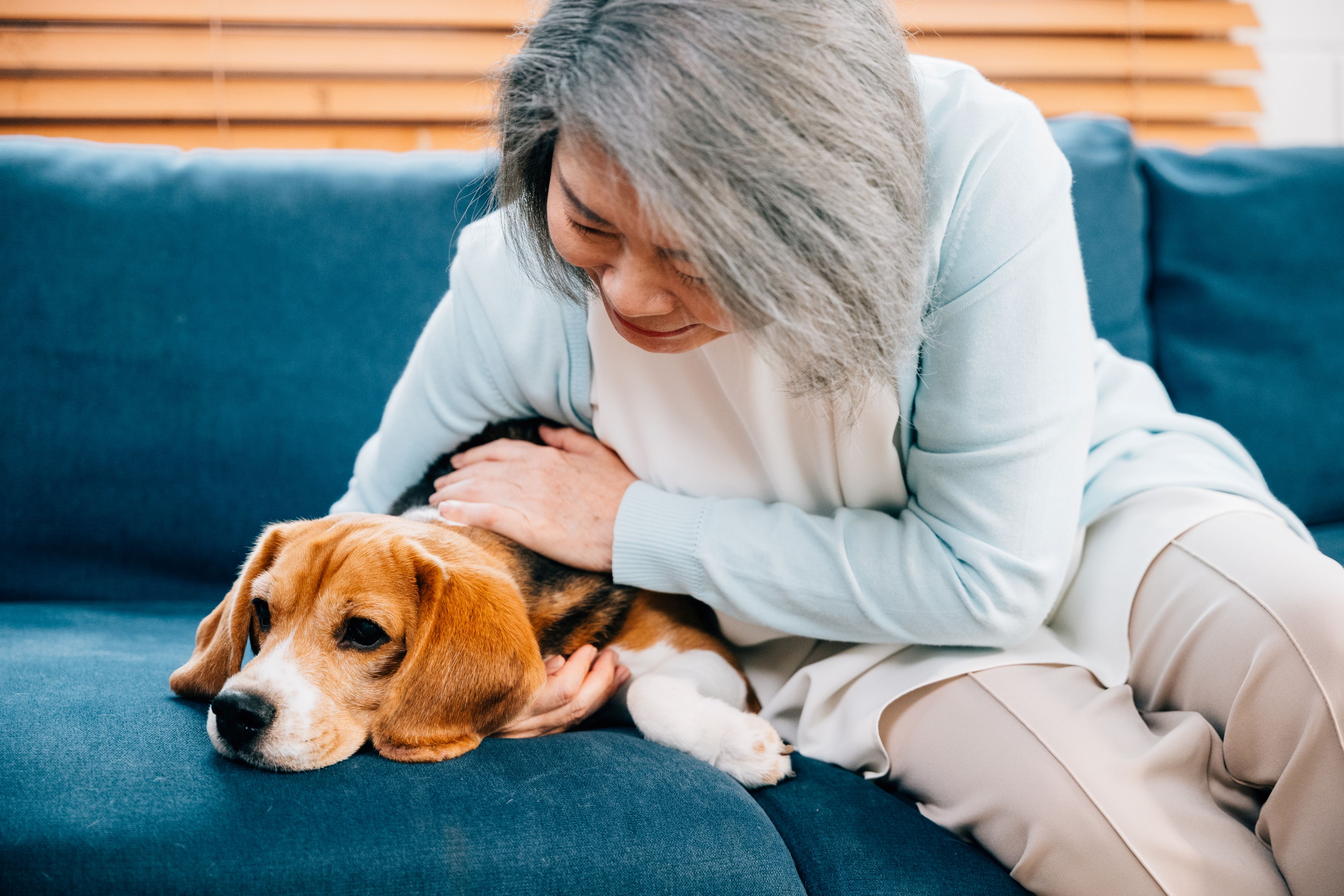
Here’s the reality. Pets can be one of the biggest reasons a senior keeps moving, keeps a routine, stays connected, and feels less alone. They’re not “just company.” They’re structure. Purpose. A reason to get up, take a walk, keep going.
But if a fall, a hospital stay, or a sudden health change happens and there’s no plan for the pet, everything gets messy fast. The family scrambles. The senior is overwhelmed. The pet feels the disruption. And in the worst cases, the pet ends up surrendered, not because there wasn’t love, but because there wasn’t a backup plan. I know that firsthand. I’m the one at Starlight Outreach and Rescue taking those calls from desperate people who don’t know what else to do.
So let’s make this simple. Here are practical steps to help seniors stay independent longer while making sure the pet is covered if something changes. You don’t need a huge system. You need a realistic plan and one or two solid backups before life forces the decision for you.
Why pets matter so much for independence
For many seniors, the pet is the constant. It’s the daily rhythm, feeding time, walk time, bedtime. That routine keeps people anchored. And emotionally, a pet can be a stabilizer when everything else feels like it’s changing.
Independence isn’t just “I can do everything myself.” It’s also “I have a life that still feels like mine.” Pets are a big part of that.
And that’s exactly why planning matters. Because the goal isn’t to take the pet away. The goal is to protect both the person and the pet when circumstances shift.
The biggest mistake: waiting for a crisis
Families tend to wait because nobody wants to talk about “what if.” It’s uncomfortable. It can create tension. It forces hard conversations.
But when you wait, the decision gets made in a high-stress moment, under time pressure, with fewer choices.
Planning ahead doesn’t take away independence. It protects it. It gives the senior more control. And it keeps the pet from becoming one more emergency in a situation where everyone is already overwhelmed.
Red flags that pet care is starting to slip
This is where proactive planning really begins. Most of us won’t immediately admit when caring for our pet is becoming harder. So we rationalize. We downplay. We brush off family concerns.
Families and caregivers need to watch for early signs. They’re usually small. They’re easy to excuse. But they shouldn’t be ignored. Look for patterns like:
Nails getting long, coat getting dull, mats showing up
Weight changes, up or down
Litter boxes are not staying clean, strong odor, or there are more accidents because the the cat's box is dirty or the dog isn’t being walked enough
Empty water bowls, overfilled bowls that are attracting bugs or rodents, expired medications, missed preventatives
A pet that seems stressed, clingy, withdrawn, or unusually reactive
None of these mean someone is failing. They usually mean the work is getting harder and help is needed. They’re early warning signs to adjust the system before it becomes a crisis.
Assisted living, senior living, and independent communities: the reality check
This is where a lot of assumptions get exposed.
Many seniors assume they’ll “just bring the pet” if they move. Sometimes that works. Sometimes it doesn’t. And even in independent living, senior living, or assisted living communities that allow pets, there are usually rules, weight limits, breed restrictions, and expectations about who handles daily care.
Even in independent senior communities, the resident is still responsible for feeding, walking, cleaning, vet visits, and behavior management. If mobility declines or health shifts, that responsibility doesn’t disappear just because the building allows pets. Additionally, there's the legal liability if a pet hurts someone, for example, tripping another resident because the pet parent dropped the leash accidentally.
So the real question isn’t:
“Does the facility allow pets?”
It’s:
“Who is doing the daily care when it gets harder and who is going to keep everyone safe?”
If the answer is “my family will help,” that’s fine. But it needs to be specific. Who? How often? For how long? And what’s the backup plan if that person can’t?
The clearer the conversation is upfront, the fewer surprises later.
How to protect independence and keep pet care steady
Now let’s talk practical adjustments. The goal is to reduce friction, not add complexity.
Admitting there needs to be adjustments and then making a few simple changes can make a big difference:
Make pet supplies easy to reach. Avoid heavy food bags and awkward storage.
Use delivery services for food, litter, and medications.
Consider an automatic feeder if remembering meals is becoming inconsistent.
Set a simple, realistic routine instead of an ideal one.
Line up help before you need it: a dog walker, a neighbor, a paid sitter, or a shared family schedule.
Create a pet “go-bag” with food, medications, records, a leash, and a current photo.
Small adjustments buy time. And time protects independence.
The support system piece and how to actually ask
Here’s the part many seniors struggle with. Asking for help can feel like losing independence. But the right kind of support is what keeps independence intact, because it prevents one bad week from turning into a crisis.
The key is to stop asking in a vague way, like “Can you help with my pet?” That’s too big. People don’t know what you mean, how often you’ll need it, or what they’re agreeing to.
Instead, ask for one specific thing someone can actually say yes to:
“If I end up in the hospital unexpectedly, can I list you as my pet emergency person?”
“Could you help me with one pet errand a month, like a vet run or picking up meds?”
“If I’m sick for a few days, can you cover walks or litter box duty until I’m back on my feet?”
“If I had to move quickly, could you keep my dog for a week while I get settled?”
Specific requests are easier to say yes to, and they prevent last-minute panic when everyone is already stressed.
Written plans and agreements
Even with a support system, you still want a simple written plan someone can follow if you can’t communicate, or if you’re dealing with a sudden hospital stay. The goal is that nobody has to guess, and your pet doesn’t end up home alone while people figure it out.
At minimum, write down: your veterinarian’s name, medications, feeding routine, behavior notes, where supplies are kept, and who to call.
If you want something more formal, a pet trust or written care agreement can outline who takes the pet, what funds are set aside, and what expectations exist. It’s not morbid. It’s responsible. For more info on pet trusts, check out this epiosde: https://www.petparenthotline.com/what-happens-to-your-pet-if-you-dont-make-it-home/
And it’s a gift to your family and your pet.
Bottom line
If you’re a senior with a pet, or you love someone who is, don’t wait until everyone is stressed and scrambling. Make the plan while choices are still easy.
Pets help people stay steady. Planning helps keep that bond intact for as long as possible.

Host
Amy Castro is a professional speaker, author, trainer and consultant, and columnist for Pet Age Magazine. She's the founder and president of Starlight Outreach and Rescue (www.StarlightOutreachandRescue.org), a Houston, Texas area 501c3 nonprofit animal rescue whose mission is to rescue animals from the community, support shelters in providing medical treatment for at-risk pets, community outreach for pet owners in need, and educating pet parents to help keep pets in homes and off the streets.
Amy started the Starlight Pet Talk Podcast in 2023 as an extension of the rescue's education efforts to be able to reach more pet parents and help them solve their biggest problems so they can live their best lives with the pets they love.
Amy is also a proud USAF veteran and has personally fostered more than 3000 animals during her time in animal rescue.

The 'Three-Part Filter': Your Essential Checklist Before Getting a Second Dog